Wool & Textile Crafts
Knitting, Weaving, and Fiber Arts in Canada
Practical guides on yarn selection, beginner knitting patterns, loom weaving techniques, and sourcing quality wool and natural fibers across Canada.
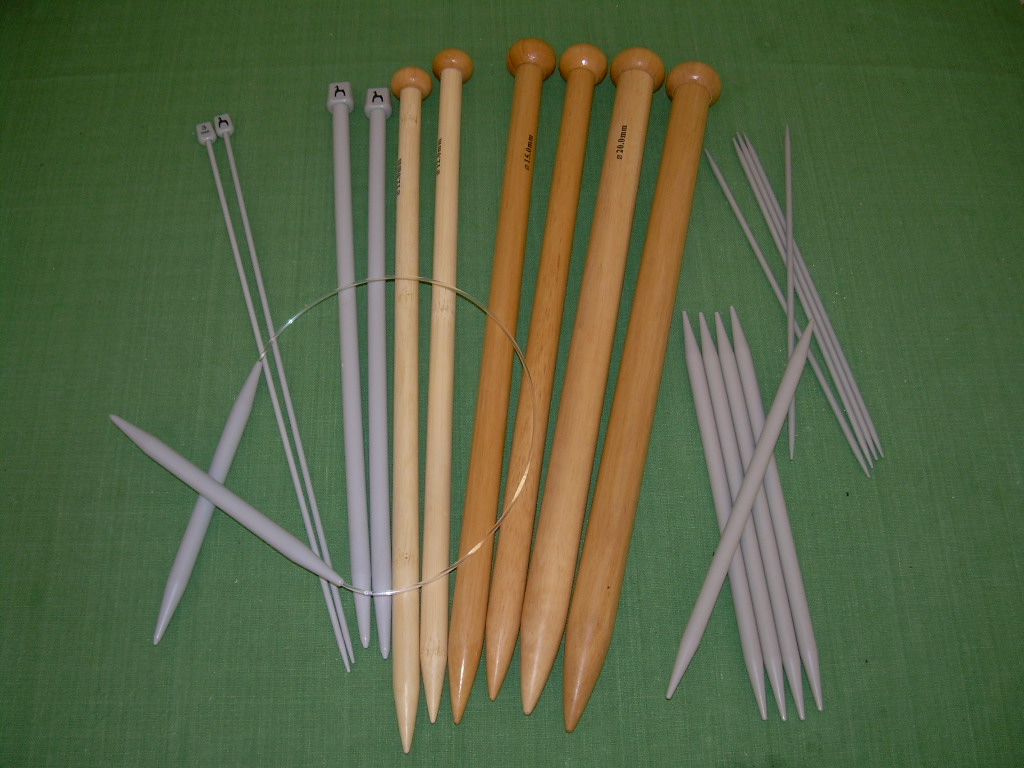
What you'll find here
Topics covered on this site
Yarn Selection
Understanding fiber types — merino, Corriedale, alpaca, cotton — and how they perform in Canadian climate conditions, from humid coastal winters to dry prairie cold.
Beginner Knitting
Step-by-step patterns for newcomers: cast-on methods, basic stitch combinations, reading patterns, and avoiding common tension mistakes.
Loom Weaving
Introduction to rigid heddle and frame looms, warp calculations, weft selection, and finishing techniques for handwoven textiles.
Natural Fibers
Where and how to source raw fleece, roving, and processed wool directly from Canadian farms and cooperatives.
Fiber Dyeing
Overview of natural and synthetic dyeing methods, mordants, and color-fastness considerations for handspun and commercial yarns.
Pattern Reading
How to interpret knitting abbreviations, chart symbols, gauge swatches, and schematic diagrams for garment construction.
Latest guides
Recent articles
Choosing the Right Yarn for Canadian Winters
A practical breakdown of fiber weights, warmth ratings, and durability for knitters working through cold-weather projects in Canada.
Read the guide
Beginner Loom Weaving: From Setup to First Project
How to set up a rigid heddle loom, calculate warp length, and complete a straightforward plain-weave project as a first-time weaver.
Read the guide
Sourcing Natural Wool in Canada: Farms, Co-ops, and Markets
Where to find raw fleece, washed roving, and locally produced yarn in British Columbia, Ontario, Quebec, and the Prairie provinces.
Read the guideAbout this site
Who this is for
Soft Hearth Side covers wool and textile crafts with a focus on Canadian context — fiber sources, regional climate considerations, and local craft supply access. The content is written for beginners and intermediate crafters who want clear, practical information without commercial pressure.
About this site